Social media marketing for small business: Complete guide for 2026

Written by Nader Nekvasil
Published on March 18, 2026
Reading time 33 minutes

Table of Contents
Social media is not a side project you squeeze between invoices and inventory counts. It’s a direct line to your audience, your reputation and your next customer—and for small businesses, it delivers market insight, customer feedback and proof of impact without demanding enterprise-scale resources.
The gap between brands that treat social as an afterthought and those that treat it as a growth engine widens every quarter.
This guide covers the full operating plan: goal-setting, audience research, platform selection, content planning, engagement, paid promotion and measurement.
Every section connects back to social media marketing strategy fundamentals, but this guide was built for lean teams with real constraints and ambitious targets.
What is social media marketing for small business?
Social media marketing for small business is the practice of turning platforms like Instagram, Facebook, LinkedIn, TikTok, Pinterest and YouTube into a connected growth engine. Posts, replies, short-form videos, ads and direct messages all serve a unified purpose: attract attention, build trust, start conversations and drive measurable revenue.
Every stage of the customer journey—from discovery to loyalty—now exists on social and small businesses that recognize this reality gain an outsized advantage over competitors still treating their profiles as digital billboards.
Why social matters for small business teams
Large enterprises invest millions in brand awareness campaigns. Small businesses don’t have that luxury—and they don’t need it. Social platforms level the playing field by offering three things that used to require significant budgets:
- Real-time market intelligence: Customer comments, direct messages, reviews and competitor conversations reveal what your audience wants, what frustrates them and what language they use to describe their problems. That data shapes product decisions, service improvements and content direction without a single focus group. This intelligence is more vital than ever: According to Sprout’s 2026 Content Strategy Report, 80% of consumers plan to interact with brand content as much as or more than they do now. For small businesses, this means your audience isn’t just present—they are primed for engagement.
- Two-way customer relationships: Unlike traditional advertising, social opens a genuine dialogue. A thoughtful reply to a complaint, a quick answer to a product question or a reshared customer photo builds the kind of trust that turns first-time buyers into repeat advocates.
- Measurable business impact: Reach, engagement rate, click-through rate, conversions and return on ad spend all connect social activity to tangible outcomes. You can prove what’s working, cut what isn’t and allocate your limited budget with confidence.
What a complete social media marketing plan includes
A strong small business presence goes far beyond a posting schedule. It connects directly to broader small business marketing priorities—visibility, lead generation, customer retention and loyalty—through a structured, repeatable system.
That system spans seven core disciplines: setting goals tied to business outcomes, defining your audience with precision, selecting platforms that match your capacity and your customers’ habits, planning content around clear pillars, building community through active engagement, amplifying proven messages with paid promotion and measuring ROI with metrics that matter. Each discipline feeds the next. Goals inform audience research. Audience research shapes platform choice. Platform choice dictates content format. And measurement closes the loop by revealing what to scale and what to stop.
The businesses that win on social media don’t post the most. They operate with focus, respond with empathy and back every decision with data.
How Sprout Social Essentials Can Help
Benefits of social media marketing for small business
For a small business, social media is far more than a digital billboard; it is a connected growth engine that delivers market insight and proof of impact without requiring enterprise-scale resources. When integrated into a structured system, social media offers several strategic advantages that allow lean teams to compete effectively.
Compete with enterprise visibility on a lean budget
Large enterprises often invest millions into brand awareness campaigns, but small businesses can achieve significant visibility without those massive budgets. Social platforms level the playing field by offering access to tools and reach that previously required substantial financial investment. By treating social as a growth engine rather than an afterthought, small brands can bridge the gap between themselves and larger competitors.
As your strategy matures, managing multiple networks natively quickly becomes an unsustainable drain on your bandwidth. To maintain a consistent presence without inflating your overhead, exploring tailored social media management packages for small business allows you to consolidate your workflow and access essential scheduling tools at a price point designed for lean teams.
Gain real-time market intelligence
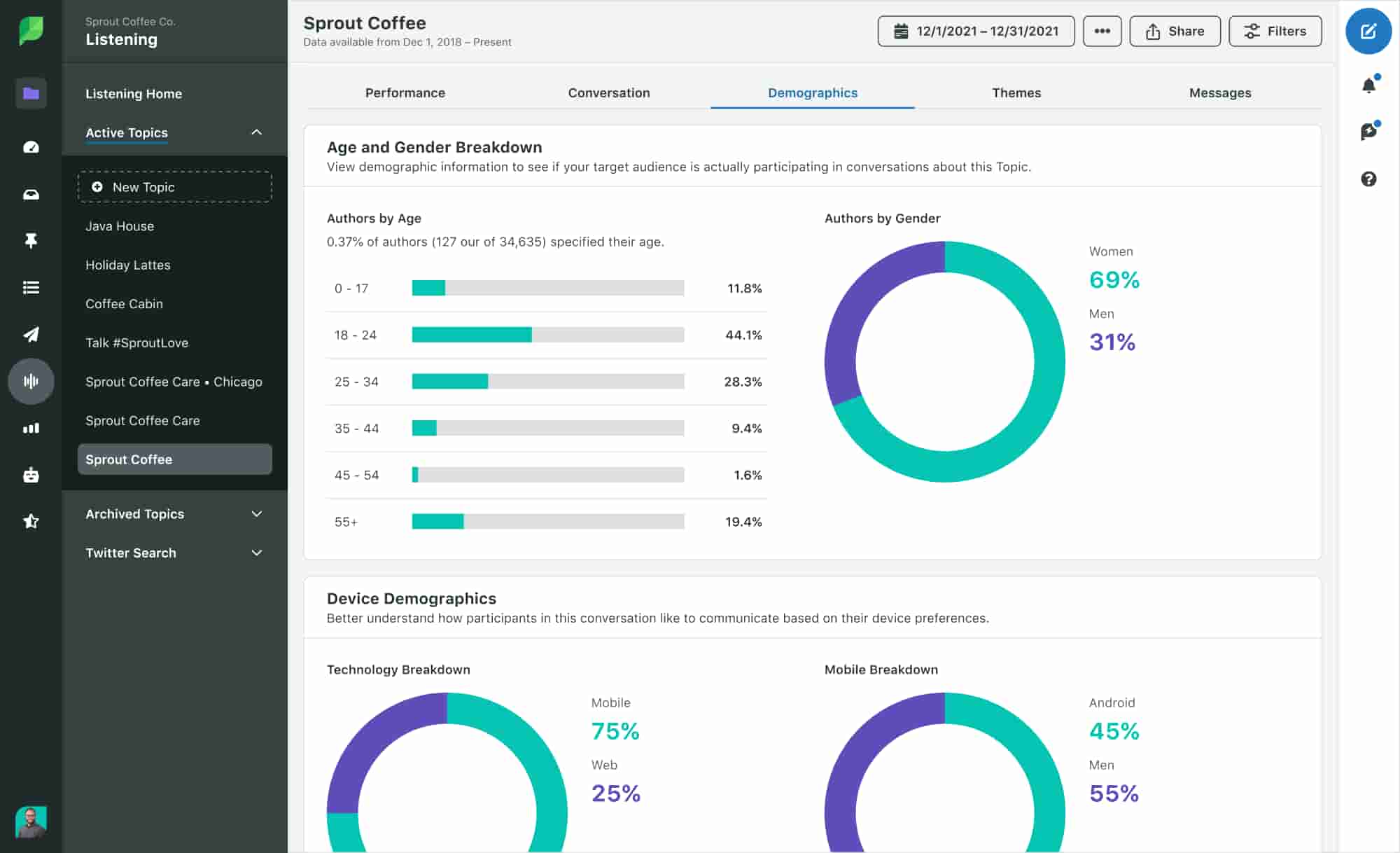
Social media provides a direct line to your audience, offering data that shapes product decisions and service improvements without the need for a single focus group. Through customer comments, direct messages and reviews, you gain immediate insight into what your audience wants and the language they use to describe their problems. This real-time social media intelligence (SOCMINT) reveals competitor conversations and customer frustrations, allowing you to pivot your strategy based on actual market needs.
Build trust through two-way relationships
Unlike traditional advertising, which is often one-sided, social media opens a genuine two-way dialogue with your customers. Simple actions—such as a thoughtful reply to a complaint, answering a product question, or resharing a customer’s photo—build the kind of trust that transforms first-time buyers into repeat advocates. This active engagement helps small businesses navigate the full customer journey, from initial discovery to long-term loyalty.
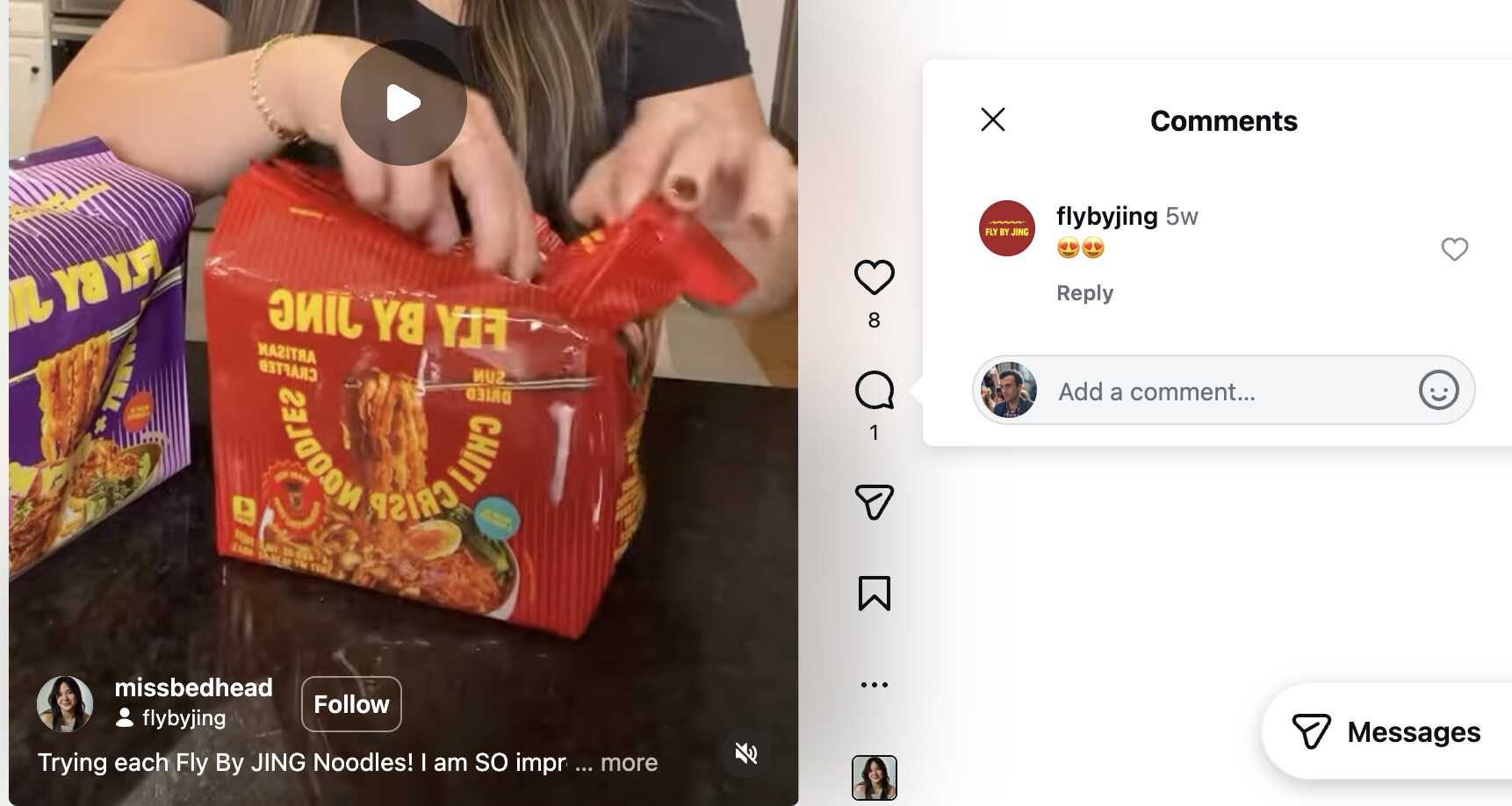
Founder-led brand Fly by Jing excels at “The Reply Game.” Instead of just “liking” comments, they use video replies to answer customer questions about spice levels or recipe ideas. This transforms a standard transaction into a community-led conversation where the customer feels seen.
This human touch is a competitive necessity. While many marketing leaders are prioritizing AI-generated content, Sprout’s 2026 Social Media Content Strategy Report shows that consumers have ranked human-generated content as their #1 priority for 2026. Small businesses that lead with authenticity will satisfy the growing appetite for ‘real’ brand experiences that AI can’t yet replicate.
Drive measurable business impact and ROI
Social media allows small businesses to connect digital activity to tangible outcomes like reach, engagement and conversions. Because every stage of the customer journey now exists on social, you can attract attention and drive measurable revenue through posts, ads and direct messages. This data-driven approach allows you to prove what is working, cut what isn’t and allocate a limited budget with total confidence.
Shorten the path to purchase for local customers
For local operators like restaurants, salons, or repair services, social media provides essential trust signals that push local intent toward action. Platforms that highlight reviews, location details and responsiveness help nearby customers validate a business quickly. Features like direct messaging and click-to-call actions remove friction from the buying process, reducing drop-off and making it easier for customers to book or buy immediately.

Las Vegas-based salon The Hair Standard treats their Instagram grid as a living portfolio rather than a static gallery. By consistently using geotags and keyword-heavy captions (e.g., “Best Balayage in Summerlin”), they show up at the top of social search results for local intent.
How to set social media marketing goals for small business
Start with the pressure point your business needs social to address over the next 90 days. For most small businesses, that means one clear priority: stronger awareness in the market, more qualified leads, more completed purchases, higher repeat purchase rate or faster customer care.
Keep the goal count tight. Small teams make better decisions when every post, reply and campaign answers the same commercial need instead of chasing five different wins at once.
Choose the business result before the content
A local service brand with empty slots on the calendar needs lead generation. An ecommerce shop with healthy traffic and weak checkout numbers needs purchase-focused content that leverages current social commerce trends like shoppable video. A founder-led business with strong first-time demand and weak retention needs loyalty and repeat business. Social works best when it solves the problem in front of the business, not the problem that sounds most exciting in a marketing meeting.
That decision gives your team a practical filter. It tells you which offers deserve promotion, which stories deserve attention and which requests belong in the queue for later. Social stops feeling random the moment the goal becomes specific.
Match each goal to a KPI that proves impact
Each objective needs a small set of numbers that show movement. Pick metrics that reflect the result you want, then review them often enough to catch drift before a full quarter slips away.
- Awareness: Use reach, impressions and profile visits to track whether more people enter ysocur orbit.
- Lead generation: Use link clicks, landing page visits and form fills to see whether interest turns into pipeline.
- Purchases: Use conversion volume, revenue from social traffic and checkout completion to measure sales impact.
- Repeat business: Use repeat purchase rate, returning visitor activity and customer response patterns to understand loyalty.
- Customer care: Use first-response time, resolution time and message backlog to measure service performance on social.
The metric list should stay short. A crowded dashboard creates false complexity and slows action. Two or three social media KPIs per objective is enough to show direction and support better calls.
Be careful not to follow the crowd blindly. While many brands are currently pouring the most effort into TikTok and Instagram, according to Sprout’s 2026 Social Media Content Strategy Report, consumers across generations actually plan to spend the most time on Facebook, followed by Instagram and YouTube. Winning strategies in 2026 will be those that align with actual audience habits rather than industry assumptions.
How to choose the right social media networks for your business
Channel selection should follow the way people buy from you, not the way marketers talk about the market. A florist, a bookkeeping firm and a meal-prep brand do not need the same platform mix because their customers evaluate risk, proof and convenience in different ways.
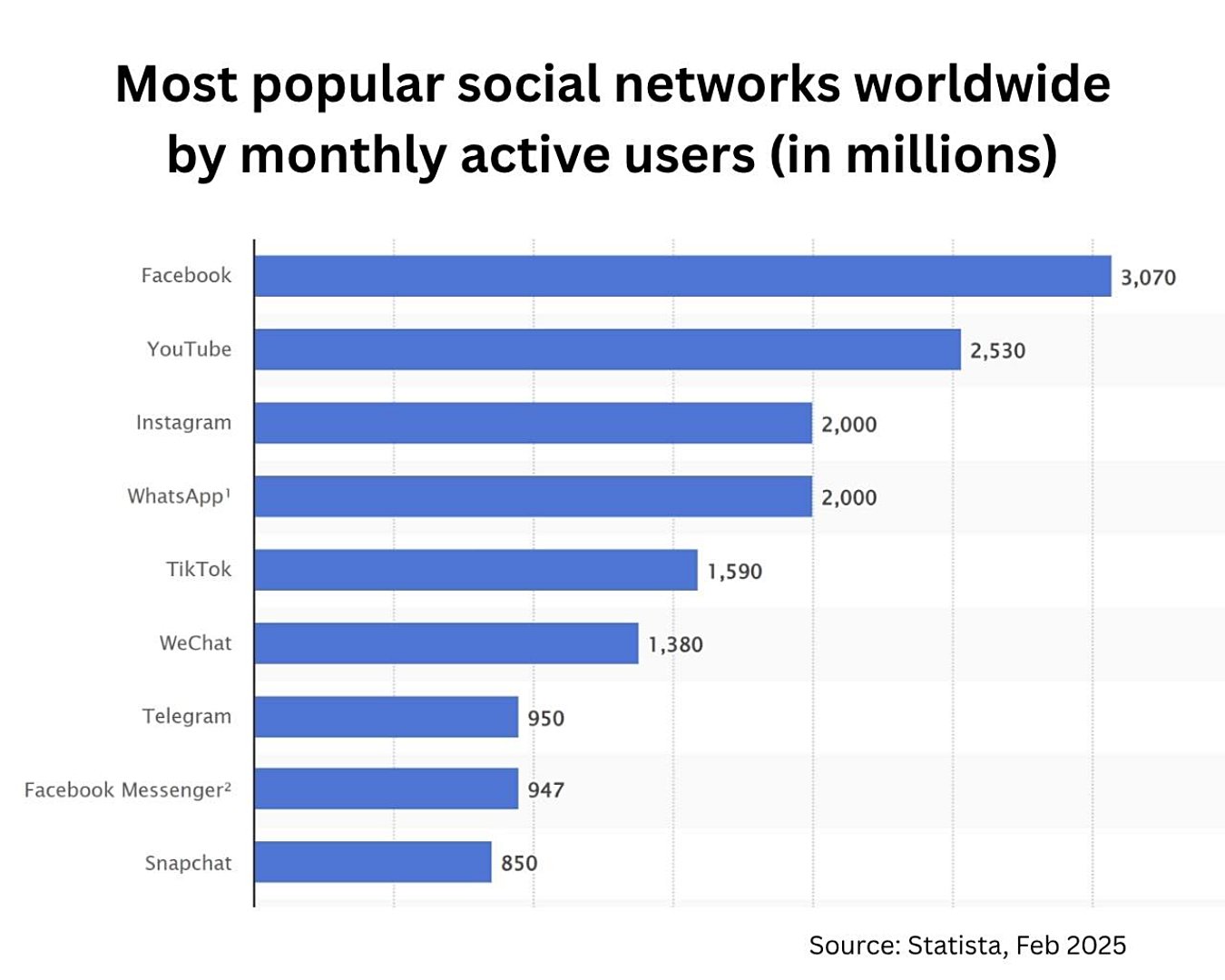
This is where many small businesses waste time. Brands often treat networks like a mandatory checkbox, then force the same message into every feed. Strong platform strategy works the opposite way: pick the environments that support the buying journey you already have, then shape content to the native strengths of each one.
Match platform mechanics to the way your customers decide
Every platform trains users to take certain actions. Some reward visual comparison. Some reward fast education. Some reward professional credibility. Some reward local trust signals such as reviews, events and direct messages.
| Platform | Primary Use Case (Best For) | Key Content Strength |
|---|---|---|
| Aesthetic brands, product launches and visual transformation. | Visual clarity, Reels and emotional response. | |
| Local businesses, repeat demand and community engagement. | Reviews, event promotion and direct messaging. | |
| B2B services, high-ticket offers and founder authority. | Case studies, industry fluency and professional networking. | |
| TikTok | Education, immediate demos and viral discovery. | Short-form video, relatability and “how-to” clips. |
| Planning-based industries (Home, Style, Events). | Long commercial shelf-life and “future intent” saves. | |
| YouTube | Deep-dive walkthroughs and complex problem-solving. | Long-form tutorials and building deep brand trust. |
The better test is practical: where can a customer understand your offer fastest and feel confident enough to take the next step. A service brand that wins through expertise may gain more from LinkedIn and YouTube than from a daily short-form video grind. A retail brand with high visual appeal may gain more from Instagram and Pinterest than from a text-led network that hides the product advantage.
Build a platform model with a clear job for each channel
Most small businesses gain more from a multi-channel model than from a broad rollout. One platform should widen the top of the funnel. The second should help people validate the choice, while a third could ask questions or move closer to purchase.
This makes measurement cleaner because each channel supports a different stage of the path to revenue.
A useful way to define these could be:
- Prospecting platform: This channel introduces the brand to new people. TikTok, Instagram and YouTube Shorts often fit here because strong creative can travel beyond your existing follower base.
- Decision platform: This channel helps buyers compare options, check credibility and resolve hesitation. LinkedIn works well for B2B. Instagram can fill this role for consumer brands through stories, testimonials and direct messages.
- Contact platform: This channel makes it easy for customers to message, ask, book or confirm details. Facebook and Instagram often carry this function well for small businesses because customers already expect quick replies there.
A local gym, for example, may use Instagram to show classes, member energy and coach personality, while Facebook supports reviews, event reminders and inbound questions. A boutique legal practice may use LinkedIn for authority and YouTube for issue-based education. The right mix depends on where the sale gains speed, not on which logo appears most often in trend reports.
Pressure-test each platform against your production reality
The best channel on paper can become the worst channel in practice when the format demand outruns the team. Daily short-form video requires idea flow, on-camera confidence, fast editing and enough time to respond once content starts to move. Long-form education requires subject expertise, structure and consistency. Photo-led channels require a steady stream of usable visuals that look current and credible.
Before you commit, test the platform against your actual operating conditions:
- Content supply: Do you have enough raw material each month—customer stories, product footage, team insight, reviews, FAQs or event moments—to keep the channel active without strain.
- Speed to publish: Can your team move from idea to live post fast enough for the platform to make sense.
- Response capacity: Can someone answer comments and messages while the content is still timely.
- Format strength: Does your business naturally produce the kind of asset the platform rewards—video, photography, thought leadership or searchable tutorials.
This step matters because consistency is not only about how often to post on social media. It is also about whether the channel can hold quality over time.
While choosing the right platform is critical, succeeding on visual-first channels requires a specific approach that doesn’t exhaust your bandwidth. For a deeper dive into scaling your visual presence, explore our strategic guide to Instagram marketing for small business.
Add a local purchase filter before you commit
Local businesses need channels that shorten the distance between interest and action. The most useful platform is often the one that helps a nearby customer confirm basic trust factors fast: location, reviews, availability, responsiveness and recent proof that the business is active.
Use this local filter when you decide:
- Can people find your business details without friction: Address, hours, service area and booking path should appear clearly.
- Can customers validate you through recent reviews or community feedback: Social proof matters more when the buyer plans to visit, call or book soon.
- Can people contact you in the app: Direct messages and click-to-call actions remove delay and reduce drop-off.
- Can local recommendations amplify your presence: Tags, shares, community groups and neighborhood mentions often drive more qualified traffic than broad awareness campaigns.
For restaurants, salons, clinics, repair services, fitness studios and other local operators, this filter often gives Facebook and Instagram a practical edge. They support the exact signals that push local intent toward local action.
How to measure social media marketing ROI for small business
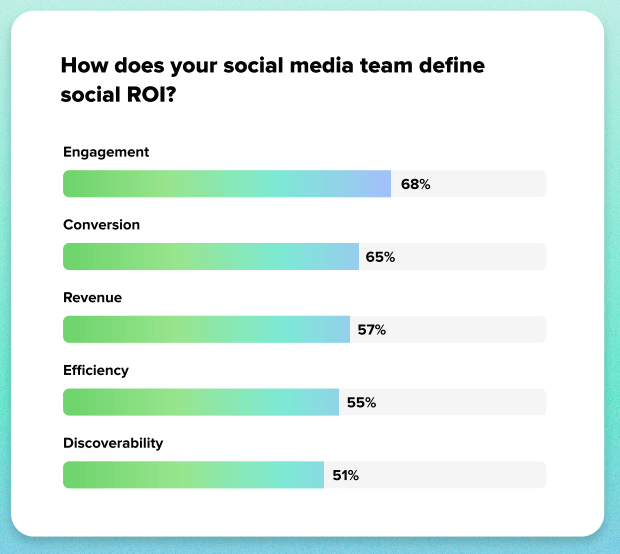
Social media ROI needs financial discipline, not a vanity dashboard. You need to know what social costs, what it returns and how long it takes to produce that return.
That standard matters even more for small businesses because resources stay tight. One staff hour, one contractor invoice and one paid campaign all need to justify themselves against outcomes the business can bank, scale or learn from.
Set a return formula before you open a dashboard
Start with a plain formula: return minus investment. Then decide what counts on both sides. Too many teams count only ad spend and forget the real cost of social—creative time, editing, design, freelance support, software, photography and approval hours all belong in the investment column.
Return should reflect the type of business you run:
- For ecommerce brands: Count revenue from tracked social sessions, average order value, repeat order lift and margin on products sold through social-led campaigns.
- For lead-based businesses: Count qualified leads from social, close rate on those leads and average deal value inside your CRM.
- For service-heavy businesses: Count labor saved through faster pre-sale education, lower friction in the buying process and fewer repetitive service inquiries after clear social communication.
This approach changes the quality of your reporting. Instead of asking whether social “performed,” you can ask whether a campaign, a channel or a content series produced more value than it consumed.
Use a measurement window that matches your sales cycle
Not every business sees social pay off in the same week a post goes live. A bakery with daily foot traffic may see near-immediate results from an offer post. A consultant or agency may need weeks before a viewer turns into a booked call, proposal and signed client.
That is why ROI needs a realistic review window. Match your measurement period to the way customers buy:
- Short-cycle businesses: Review weekly and monthly. Restaurants, retail shops, local events and direct-response offers often show movement fast.
- Mid-cycle businesses: Review monthly and quarterly. Service businesses with quotes, consultations or appointment pipelines need more time for lead quality to show up.
- Long-cycle businesses: Review quarterly at minimum. B2B firms, high-ticket offers and trust-heavy purchases require longer attribution windows and cleaner CRM tracking.
A useful reporting model should compare current performance against a baseline. Look at cost per acquisition, lead-to-sale rate, average order value, repeat purchase rate and channel efficiency over time. This helps you spot whether social drives durable growth or a short burst that fades once the campaign ends.
Track source data with tools your team will actually use
Attribution breaks down when tracking depends on perfect memory or manual guesswork. Build a small system your team can sustain every week, not a complex model no one updates after month one.
Use practical tracking methods that small businesses can hold without friction:
- UTM-tagged links: Add source, medium and campaign tags to every key link so GA4 can separate traffic and conversions by platform and campaign.
- Channel-specific landing pages: Use dedicated pages for major offers, launches or seasonal campaigns to isolate social-driven interest.
- Promo codes by platform: Give Instagram, Facebook or creator-led campaigns their own code so sales attribution stays visible inside ecommerce systems like Shopify.
- Post-purchase surveys: Ask one direct question at checkout or in a follow-up email: “Where did you first hear about us?” This catches influence that analytics tools often miss.
- CRM source fields: For lead-gen businesses, require source tracking inside tools like HubSpot or Salesforce so social-sourced inquiries do not disappear into “other.”
The goal is not perfect attribution. The goal is dependable attribution that helps you make stronger budget calls, spot high-value channels and cut spend from paths that look busy but fail to convert.
Judge efficiency at the post, campaign and channel level
ROI improves when you know where efficiency lives. Some posts attract attention but stall before action. Some campaigns pull fewer clicks but produce higher-quality leads. Some platforms look expensive until you account for stronger repeat purchase behavior.
Review performance across three levels:
- Post level: Check which assets move people one step forward—site visit, save, product page view, quote request or purchase.
- Campaign level: Review whether a collection of posts around one offer produced profitable movement as a package, not as isolated pieces.
- Channel level: Compare how each platform contributes to margin, lead quality, customer lifetime value or purchase frequency over a full quarter.
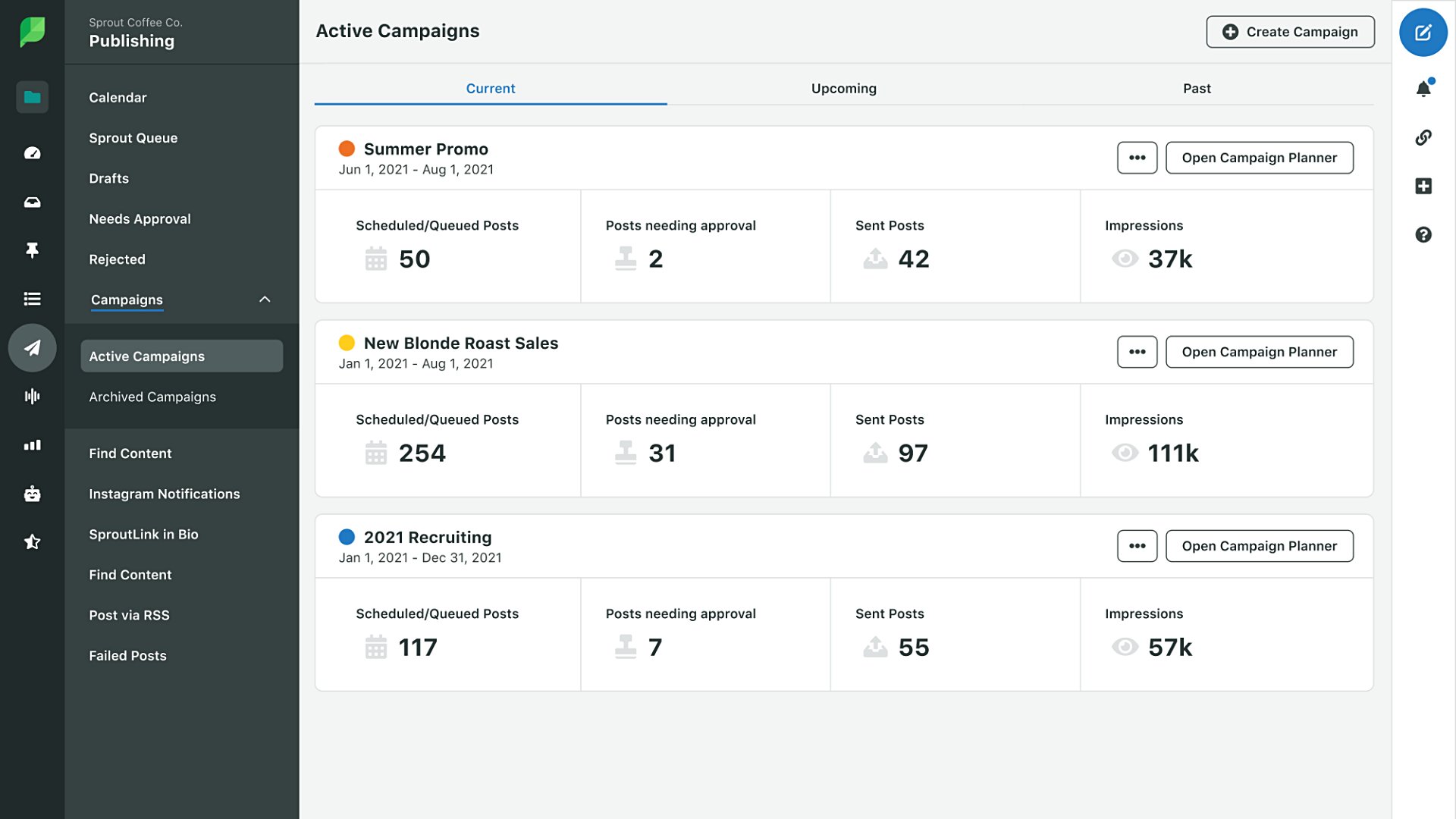
This layered view helps small businesses avoid the wrong cuts. A platform with modest direct conversion may still deserve investment when it feeds high-quality retargeting pools, lifts branded search or brings in customers who buy again at a higher rate.
Add proof from the field, not just proof from the platform
Platform analytics tell part of the story. The rest lives in what customers say, what sales teams hear and what support teams notice after social activity rises.
Add qualitative proof that shows how social shifts buyer behavior in the real world:
- Sales-call notes: Track when prospects mention a specific video, post or creator mention before they book.
- In-store feedback: Ask walk-in customers what made them visit now, not six weeks ago.
- Screenshot evidence: Save DMs, review excerpts and checkout comments that reveal why people trusted the business enough to act.
- FAQ reduction: Note when a product demo, service explainer or pricing post cuts down repetitive questions in the inbox.
- Offer clarity: Watch for fewer drop-offs or fewer confused replies after social content explains process, timing or value more clearly.
These signals matter because they show how social shapes decisions before a dashboard can capture the full path. They also make reporting stronger in rooms where numbers alone do not explain why a channel deserves more investment.
How to find a target audience for your small business
Define your audience before you define your content strategy
Your target audience decides whether your social plan lands or drifts. Your content should match your target audience’s intent with precision instead of speaking to everyone in the same voice.
Build profiles around needs and decision triggers
A useful audience profile should read like a field guide for action. It should help your team understand decision criteria, hesitation points, urgency cues and the type of content that earns attention from each segment.
For each priority segment, define these four points:
- Core job to be done: Name the outcome the buyer wants from your product or service. That may be convenience, confidence, speed, expertise, comfort, status or cost control.
- Decision barrier: Identify the factor that makes the buyer pause. Common barriers include unclear pricing, weak differentiation, delivery concerns, fit questions or low trust in results.
- Moment of urgency: Pinpoint the event that moves the need from passive interest to active search. A launch window, seasonal shift, life event, budget deadline or recurring frustration often creates that moment.
- Preferred content utility: Clarify what type of social value the segment seeks most—education, inspiration, customer support, validation, entertainment or a quick path to an answer.
This framework keeps your plan grounded in behavior instead of assumptions. A fitness studio, for example, may serve one segment that wants a low-pressure place to start, another that wants measurable progress and a third that wants schedule flexibility above all else. Those audiences do not need the same message, even when they buy the same membership.
Start with signals you already own
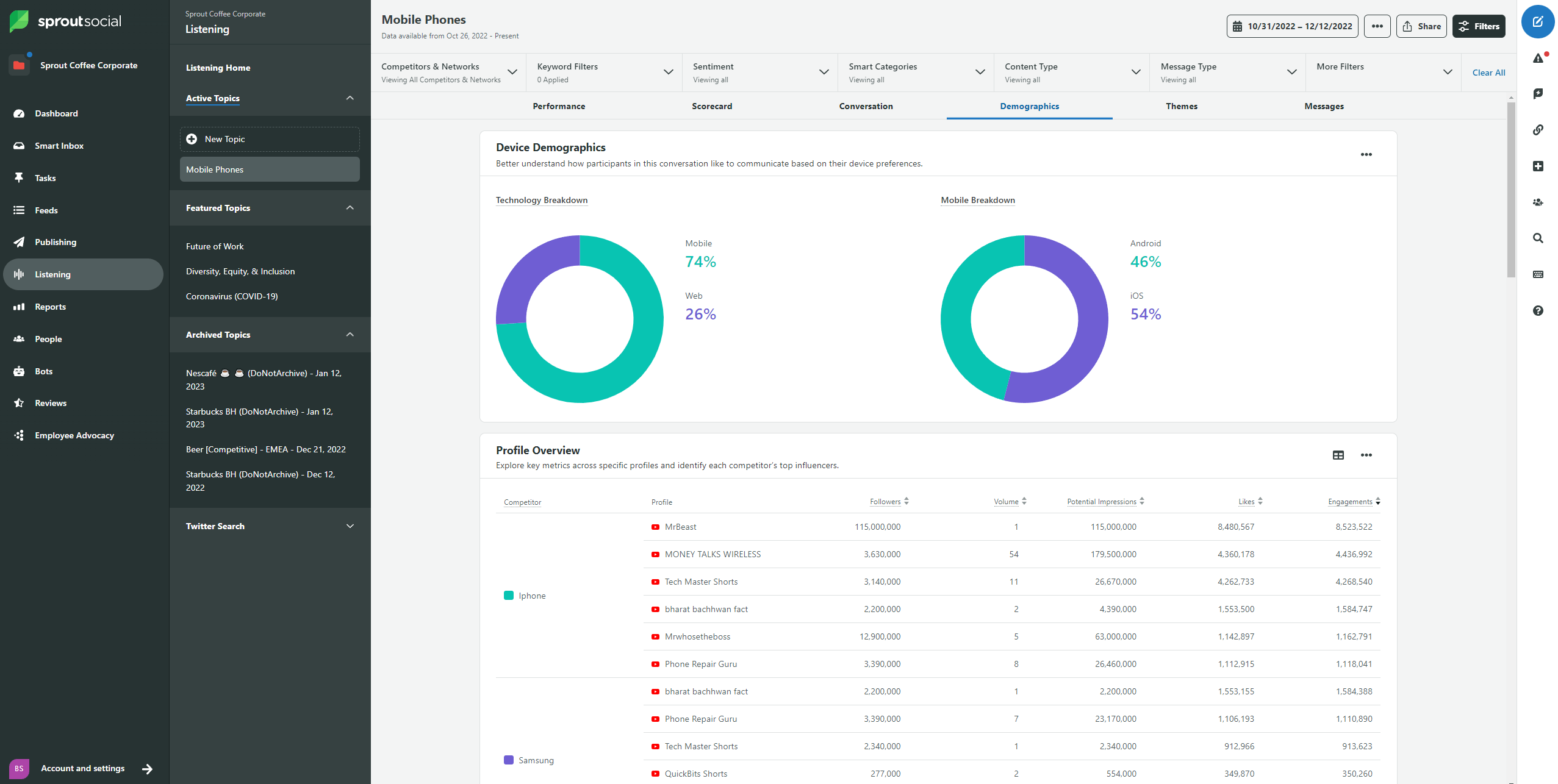
The clearest audience insight usually sits inside everyday business activity. You do not need a formal research project to find it; you need discipline in how you review the signals already in front of you.
Look at these sources first:
- Customer emails: These reveal where expectations break, which details feel unclear and what tone people expect from your business.
- Sales conversations: These expose comparison patterns, purchase criteria and the objections that surface right before a decision.
- Reviews: These show which benefits matter enough for customers to mention publicly and which weak spots hurt perception.
- Site search data: These terms expose what visitors actively seek and what your site or product pages may fail to answer fast.
- Direct messages and comments: These show what people care about in the moment, which topics create response and where demand starts to build.
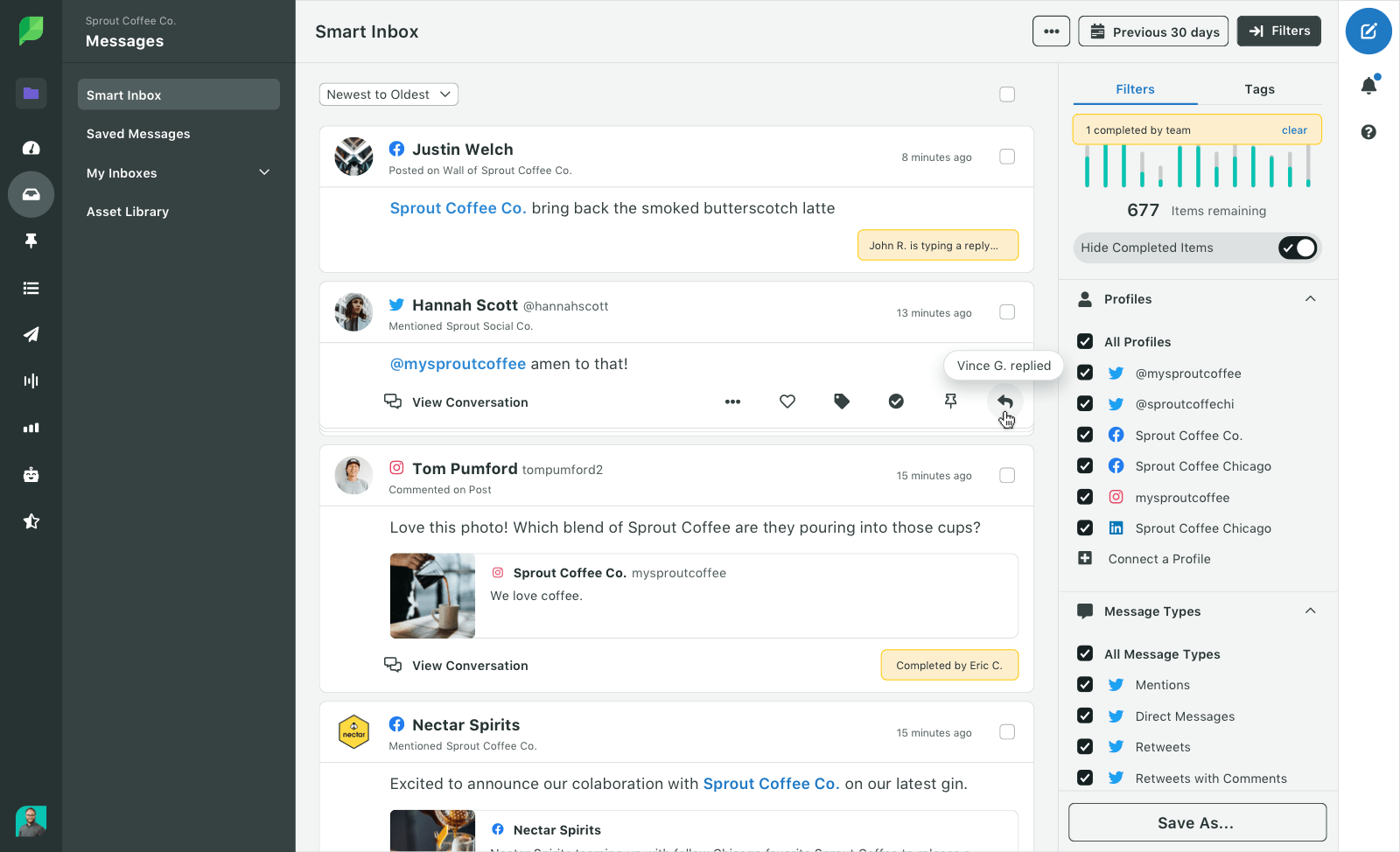
Patterns matter more than isolated remarks. When the same issue appears across review sites, inbox threads and sales notes, you have a clear content priority. When the same benefit shows up in praise from multiple customers, you have language worth turning into a stronger offer or a sharper campaign hook.
Use audience language as creative direction
Audience research should shape not only what you say, but how you say it. The phrasing people choose in reviews, DMs and support requests often carries more persuasive power than brand language polished in a vacuum.
Study repeated nouns, verbs and descriptors. Customers rarely describe a service the way internal teams do. They say “fast quote,” “easy return,” “fits small spaces,” “works after one use,” or “worth the price.” Those phrases carry weight because they come from direct experience and reflect the exact value people seek.
Use that language with intent across execution:
- Headline hooks should echo the problem or outcome people name on their own.
- Captions should reflect the level of clarity your audience expects, not industry jargon.
- Offers should answer the buying criteria customers mention most.
- FAQ content should mirror the wording people use when they ask for help.
When your message sounds familiar to the people you want to reach, your content earns attention faster and feels more credible on first contact.
Map the community context around your audience
Audience definition should also include the environment around the audience. Social does not operate in isolation; it sits inside communities, routines, references and live conversations that shape how people interpret brand content.
That means you need a read on what your audience pays attention to right now. For a local retailer, that may mean school calendars, neighborhood events, weather shifts and holiday traffic. For a B2B firm, it may mean regulation changes, budget pressure, hiring freezes or category-specific debate. For a lifestyle brand, it may mean creator-led formats, visual codes and niche interests that signal membership.
This is where authenticity separates strong brands from loud ones. People reward businesses that show up with context, relevance and a clear understanding of the communities they serve. They ignore brands that borrow trends with no real connection to the audience or the moment.
Strategies for creating a social media content calendar for small business
The strongest social calendars do more than list post dates. They give small teams a clear view of what ships, what supports a campaign, what still needs creative and where the next approval sits before the week gets crowded.
That clarity ensures your team’s momentum.
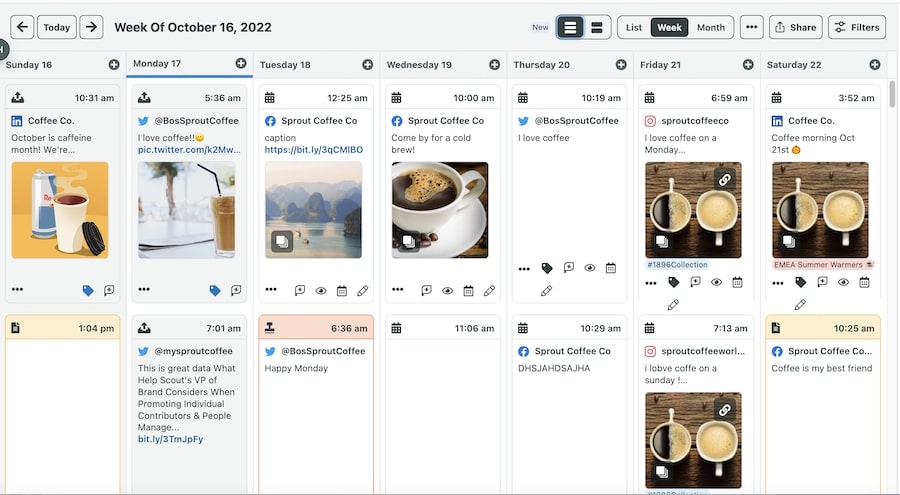
Build a calendar with fields that support execution
A useful social media content calendar should answer operational questions at a glance. The team should know what the post is, where it goes, who owns it, what stage it sits in and what business priority it supports without a separate meeting to decode the spreadsheet.
Each row or card should include these fields:
- Post concept: A plain-language description of the idea so anyone on the team can understand the asset fast.
- Format: Reel, carousel, static post, story set, testimonial graphic, founder clip or offer asset.
- Platform: The exact network for the post, since a product demo on Instagram does not look the same on LinkedIn or YouTube.
- Owner: The person responsible for copy, design, review or scheduling.
- Status: Draft, in design, ready for review, approved or scheduled.
- Due date and publish date: One date keeps the team on track; the other keeps the campaign on time.
- Campaign or initiative: The launch, offer, event, season or service push the post supports.
This structure turns the calendar into a control panel instead of a content wish list. It also makes it easier to spot gaps early—too many awareness posts, not enough proof assets, no support content before a promotion or no owner attached to a deadline that matters.
Anchor the calendar to the moments that move demand
A month of content should reflect the business calendar, not an arbitrary post quota. Strong planning starts with the moments that already affect buyer behavior, customer questions and sales pressure.
That means you should map content around the real pulse of the business:
- Launch windows: New products, service packages, waitlists, menu changes or opening dates need lead-up content, announcement content and follow-up proof.
- Seasonal demand: Holiday gift periods, tax season, school terms, summer travel windows or weather-driven service spikes should shape the editorial mix well before demand peaks.
- Local relevance: Markets, festivals, school events, sporting weekends and neighborhood conversations often create better hooks than generic awareness days.
- Promotional periods: Discounts, bundles, last-chance offers and booking deadlines need repeated support across the calendar, not a single post at the end.
- Service pressure points: Shipping questions, booking changes, customer FAQ spikes and common support moments deserve planned visibility before they flood the inbox.
This approach gives the calendar commercial tension. Each post has a reason to exist because it connects to a moment when audience attention or customer need already runs high.
Shape the week so the team can keep pace
A productive week on social needs range. Too much pre-scheduled content makes the brand feel distant. Too much reactive content makes the team lose control of quality and timing.
A stronger weekly layout includes four kinds of work:
- Anchor posts: These are the main assets for the week—the content pieces that support a key offer, answer a major customer question or push a campaign forward.
- Flexible slots: Keep one or two openings for timely topics, customer responses worth featuring, fast cultural moments that fit the brand or unexpected proof from a strong review.
- Community windows: Block time for comment replies, direct messages, review responses and outbound interaction with customers, local partners or creators in your niche.
- Measurement checkpoints: Set a short review window to check whether the week’s posts earned saves, clicks, replies or conversions at the level you expected.
This structure keeps the feed alive without making the plan brittle. It also helps small teams avoid the all-or-nothing cycle where a heavy week leads to a silent one.
Add context notes that sharpen decisions later
A calendar becomes far more useful when each post carries a few lines of context beyond the creative brief. Those notes help the team make sharper edits before the post goes live and they make post-performance review far more efficient after the fact.
Add four notes inside each entry:
- Post objective: State the immediate purpose of the content—education, product consideration, social proof, customer care support or sales activation.
- Target segment: Note the audience slice the post speaks to, such as first-time buyers, local customers, repeat purchasers or decision-makers in a specific vertical.
- Primary CTA: Clarify the next step you want from the viewer—click, save, comment, book, message or buy.
- Success metric: Name the signal that matters most for that post, whether that means profile visits, saves, link clicks, replies or completed purchases.
These notes also improve collaboration. A designer can make stronger layout choices, a copywriter can tighten the hook and a reviewer can judge the asset against a stated purpose instead of personal preference.
Use repurposing as planned asset expansion
Repurposing works best when it starts at the planning stage. Instead of treating a good post as a one-day event, treat it as source material with more than one use across the month.
| Original Asset Type | Expansion Formats | Strategic Benefit |
|---|---|---|
| Customer Testimonial | Quote cards, founder voiceover clips, story Q&As and website proof assets. | Builds multi-channel social proof and trust with hesitant buyers. |
| Product Walkthrough | Step-by-step carousels, FAQ-style posts and short discovery clips for TikTok/Reels. | Reduces purchasing friction by answering technical or “how-to” questions. |
| Educational Post | Downloadable checklists, email newsletter intros and comment-led follow-up posts. | Establishes industry authority and extends the lifespan of complex information. |
| Live Event or Webinar | “Best of” highlight reels, key takeaway graphics and attendee spotlight posts. | Creates FOMO (Fear Of Missing Out) and rewards community participation. |
This approach stretches the value of strong ideas without forcing the team into constant reinvention. It also helps the content mix feel connected, because the audience sees the same core message expressed through different entry points instead of a stream of unrelated posts.
Once you have your foundational channels set up and a consistent publishing rhythm established, the focus naturally shifts from simply maintaining a presence to actively expanding your market share. If you are ready to transition from baseline engagement to measurable revenue, optimizing your social media strategy for small business growth will help you align your content directly with your expansion targets.
How Sprout Social Essentials Can Help
Social media engagement strategies for small business
A post earns visibility; the response layer earns conviction. For small businesses, the comment section, inbox and review feed often carry more sales influence than the post itself because that is where buyers check responsiveness, clarity and professionalism before they act.
This is also where social starts to separate strong operators from casual publishers. Public interaction leaves a visible record of how your business handles pressure, answers nuance and treats people after the scroll stops.
Turn engagement into visible proof
Social media engagement should produce more than pointless activity. It should reduce hesitation for the next buyer, surface demand patterns for the team and show that the business can handle real customer contact in real time.
That makes response work commercially useful in ways metrics alone do not capture:
- It shortens decision time: A sharp answer in the comments can remove the last bit of uncertainty that stops someone from clicking through or sending an inquiry.
- It creates public proof of service quality: Buyers read old comment threads and review responses. Those interactions become part of your brand record.
- It exposes high-intent themes: Repeated questions around delivery windows, stock, booking rules or product fit point to the exact friction your next round of content should solve.
- It strengthens retention signals: Familiar names in replies, tags and story mentions often mark the people most likely to buy again or recommend the business to others.
This is why engagement deserves time on the calendar and ownership on the team. It has direct impact on conversion, customer experience and word of mouth.
Build response systems around customer intent
Generic replies create extra work because they fail to close the loop. A better standard is intent-based response: identify what the person needs from the exchange, then answer at that level.
A customer who asks whether a product fits a small space does not need a cheerful acknowledgment. They need dimensions, a realistic use case and a fast route to the right page. A parent who asks about turnaround for custom orders needs the cut-off date, not a branded sign-off.
Use a response ladder that matches the request:
- Informational: Give the missing fact in plain language—price range, timeline, availability, service area or process detail.
- Evaluative: Help the person compare options—best fit, recommended version, who the offer suits and where limits apply.
- Transactional: Move the person toward action—booking link, quote path, stock confirmation, order support or next contact point.
- Sensitive: Shift account-specific issues into private contact while keeping the public reply calm and complete enough to show the issue has a path forward.
This approach improves quality without overcomplicating the workflow. It also makes training easier because the team learns to respond to intent, not just to channel.
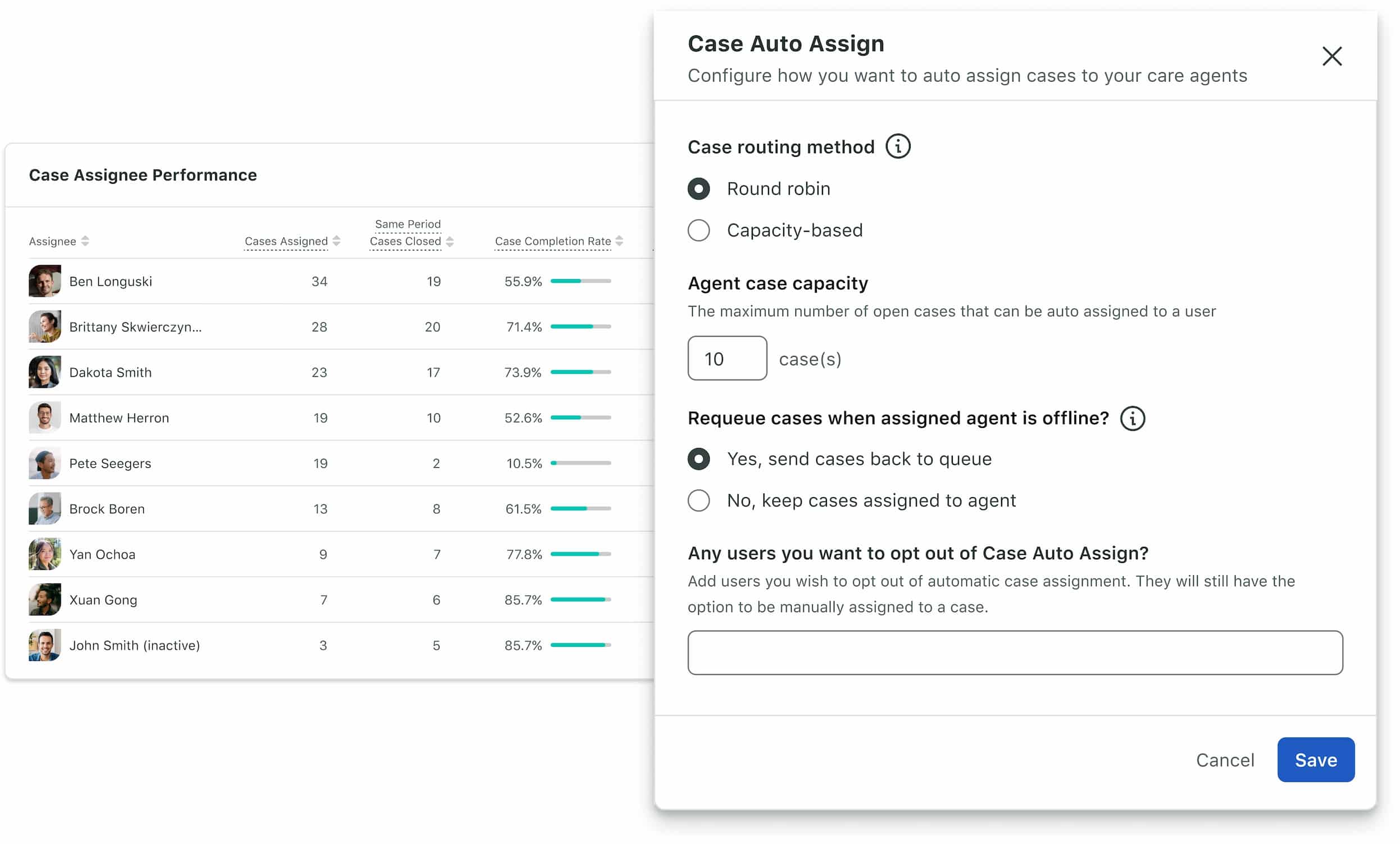
Set service rules your team can hold under pressure
Fast response helps; usable response wins. A small business should define service rules that reflect both customer expectation and team capacity, then apply them consistently across high-traffic moments, promotions and everyday support.
That standard should include concrete operating rules rather than broad tone guidance:
- Response windows by channel: Comments, direct messages and reviews do not carry the same urgency. Set channel-specific expectations so the team knows what requires same-day attention.
- Severity thresholds: Late delivery, payment issues and safety concerns need a different escalation path from routine product questions.
- Approval boundaries: Decide which replies any trained team member can send and which require a manager, founder or specialist.
- Resolution checkpoints: For issues that move off-platform, log who owns the case, what was promised and when follow-up is due.
The benefit is operational, not cosmetic. Customers get fewer handoffs, the team loses less context and service quality holds up when volume spikes.
Design interaction that produces useful participation
Audience participation should give the business something back—insight, proof, creative material or stronger customer ties. Empty prompts create noise. Structured prompts create signals you can act on.
Use interactive formats where they can inform a real decision or strengthen a real relationship:
- Prompt-led customer stories: Ask buyers for one specific detail such as why they chose the product, what surprised them most or how they use it day to day. Specific prompts produce stronger responses than broad requests for “feedback.”
- Preference tests: Use polls or quick comment choices to test packaging, product names, bundle options, event themes or launch timing before a wider push.
- Use-case requests: Invite customers to share photos or clips that show the product in context—desk setup, travel bag, shelf display, routine use or before-and-after results.
- Local knowledge prompts: For location-based brands, ask the community for neighborhood favorites, event plans, weather prep or seasonal habits that connect naturally to the offer.
- Recognition formats: Spotlight customers, members or collaborators with a clear angle—best tip, most creative use, milestone moment or standout result.
This kind of participation makes the audience part of the brand’s rhythm without turning every interaction into a campaign. It also creates a bank of language and proof that a small team can reuse across future posts, offers and service materials.
Handle complaints with transparency and closure
Public complaints test more than customer care. They test whether the business can stay composed, accountable and clear in front of everyone else who may buy later.
The right response has three jobs: lower the temperature, protect private details and show visible follow-through. That means no defensiveness, no vague apologies and no abandoned threads.
A strong complaint workflow should follow this order:
| Response Stage | Key Action | Business Outcome |
|---|---|---|
| Acknowledge | State the concern plainly without public dispute. | Lowers the temperature and validates the customer. |
| Transition | Name the next move and request info for a private channel. | Protects private customer details from the public feed. |
| Resolve | Keep a single owner on the case until completion. | Prevents internal friction from becoming a customer burden. |
| Close | Provide a brief public update once the issue is settled. | Shows future buyers that your brand follows through. |
Handled well, complaint resolution becomes reputational evidence. It shows future customers that the business can correct mistakes, communicate clearly and finish what it starts.
How to craft a winning social search strategy as a small business
Social search has fundamentally changed how customers find local services and products. Instead of starting with a browser, your next customer is likely searching for “best coffee shop in [City]” or “affordable marketing consultant” directly in the TikTok or Instagram search bars. For small businesses, this creates a massive opportunity to outrank larger competitors by appearing exactly where high-intent users are looking.
Why social search is the new word of mouth for SMBs
Traditional SEO often favors the biggest budgets and the most back-links. Social search, however, favors relevance, authenticity and recency. When a small business optimizes its social content for search, it isn’t just fighting for a spot on a page; it’s participating in a discovery loop. Users aren’t just looking for a website; they are looking for visual proof of quality, community reviews in the comments and a vibe that matches their needs.
Use tactics that improve your social search visibility
To show up in social search results, small businesses must treat their profiles like mini-websites. This involves three core “Social SEO” pillars:
- Keyword-rich bios and captions: Use the specific phrases your customers use (e.g., “handmade jewelry” instead of just “artisan”) in your profile bio and the first two lines of your captions.
- Geotagging for local discovery: For brick-and-mortar SMBs, consistently tagging your location is the fastest way to appear in local search results and on Instagram’s map feature.
- Categorized “Searchable” Content: Use on-screen text and speech-to-text in videos to signal to platform algorithms exactly what your content is about.
Use Sprout Social to master search intent and keywords
Mastering social search requires knowing exactly what your audience is searching for before you hit “publish.” This is where a connected strategy becomes a competitive advantage:
- Social Listening: Use Sprout’s Social Listening tools to uncover the specific questions and keywords your target audience is using within your industry. This allows you to create content that serves as the answer to their searches.
- Discovery Analytics: Small businesses can use Sprout’s reporting to see which posts are driving non-follower engagement. This helps you identify which keyword strategies are actually working to bring new eyes to your brand.
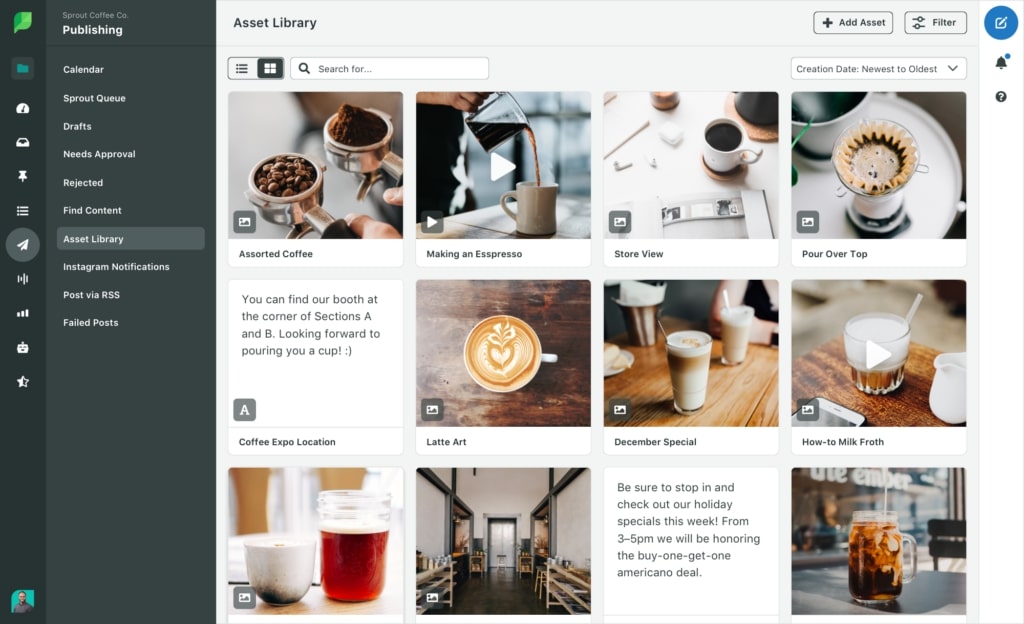
- Asset Library: Store and tag high-performing, keyword-optimized visual assets in Sprout’s Asset Library to ensure your team is always using the content that search algorithms favor most.
Social media advertising strategies for small business
Paid social works best once your team can identify which promise, offer or format already moves people to act. Ad spend should accelerate a validated signal—not fund a fishing expedition.
For small businesses, that distinction protects cash flow and sharpens decision-making. A modest budget can drive outsized return when it backs the right conversion path, the right audience window and the right creative angle at the right time.
Start with proof, not guesswork
Before you launch a social media advertising campaign, look for evidence deeper than surface engagement. A post with high likes may flatter the dashboard; a post that drives profile visits, product page views, saves, direct messages or add-to-cart activity gives you a stronger media candidate.
That evidence tells you where buyer intent already exists. Your ad strategy should start from behaviors that suggest movement toward revenue, not from content that merely drew attention for a moment.
A strong paid candidate usually shows one or more of these signals:
- High click depth: People do not stop at the first interaction; they move into your site, menu, service page or booking flow.
- Strong save or share behavior: The content holds practical value, which often signals purchase consideration rather than passive interest.
- Comment quality with commercial intent: Questions about price, fit, timing, stock, delivery or booking usually indicate buying momentum.
- Repeat audience response: Similar posts continue to perform, which suggests a stable message rather than a one-off spike.
When looking for proof, look toward discovery hubs. Sprout’s 2026 Social Media Content Strategy Report says that Facebook remains the #1 network for product discovery, with nearly 40% of social users using it to find new products, closely followed by TikTok at 37%.
Use these discovery-heavy platforms to validate which of your messages actually turn browsers into buyers.
Choose one objective per campaign
A paid campaign needs a single finish line. Once you ask one campaign to educate cold audiences, collect leads and close purchases at the same time, the structure loses focus and the results become hard to interpret.
The better approach is a simple campaign map with one optimization event per campaign. That gives the platform a clear instruction set and gives your team a cleaner read on what deserves more budget.
Use objective-specific campaign structures such as these:
- Reach or awareness: Best for new market entry, store openings, brand introduction or broad visibility pushes where recognition matters first.
- Traffic: Best when the destination page carries strong intent—product category pages, booking pages, event registration pages or service explainers.
- Lead capture: Best for quote-driven businesses, consultations, waitlists, downloadable resources or longer sales cycles that need follow-up.
- Sales conversion: Best for ecommerce offers, limited-time bundles or direct-response promotions with a clear path from click to purchase.
- Retargeting: Best for shoppers, visitors or viewers who already know the brand and need a narrower push to return and complete the action.
Segment the audience with precision
Good targeting does not mean tiny audiences for the sake of it. It means audience groups with a clear common signal: similar behavior, similar intent stage or similar commercial value to the business.
That is where many small businesses recover efficiency. They stop paying to interrupt people with low purchase likelihood and start focusing on groups that already show category interest, brand familiarity or buying behavior close to conversion.
A practical paid audience setup often includes:
- Prospecting pools: Cold audiences built from relevant interests, category behaviors or lookalike models based on customer lists.
- Mid-funnel engagement pools: People who watched a video to completion, visited a key landing page, opened a lead form or spent meaningful time on site.
- Bottom-funnel retargeting pools: Cart abandoners, checkout visitors, quote starters, pricing-page viewers or booking-page visitors.
- Customer retention pools: Existing buyers for replenishment, upsell, referral or repeat-service campaigns.
- Exclusion rules: Remove recent purchasers, current leads, irrelevant geographies or already-converted users so budget stays concentrated where it can still create value.
Mirror what already wins in organic content
The strongest paid creative usually does not look like traditional advertising. It looks like the kind of content people already consume willingly—clear, native to the platform and fast to understand on a small screen.
That means your ad should borrow the editing logic and delivery style that your audience already responds to. Think tighter openings, clearer product framing, stronger on-screen text and a more direct offer path.
Strong small-business paid creative often includes:
- An immediate first-frame cue: Product in hand, clear visual result, price anchor, deadline or problem cue within the opening seconds.
- Native pacing: Edits, framing and captioning that match the platform environment instead of feeling imported from another channel.
- On-screen proof: Ratings, review snippets, usage footage, before-and-after context or direct demonstrations that make the claim easier to trust.
- A friction-light next step: “Book now,” “View packages,” “See menu,” “Get a quote,” or “Shop the collection” tends to outperform vague language because the action is unmistakable.
Put budget behind moments with commercial weight
Paid social earns its keep when it supports a finite business opportunity with a real deadline, a real audience and a real reason to act now. That is when incremental reach matters most and when spend has the strongest chance to compress the path to action.
For small businesses, those windows often sit closer to operations than to brand campaigns. The goal is not constant promotion. The goal is strategic pressure during moments where extra visibility can change the outcome of the month.
Priority moments often include:
- Inventory-sensitive offers: New stock drops, low-stock alerts, pre-orders or limited-run products where timing affects sell-through.
- Calendar-bound offers: Holiday bundles, school-term offers, tax-season services, appointment pushes or weather-driven services with narrow demand windows.
- Footfall or attendance moments: In-store weekends, local activations, classes, workshops, tastings or community appearances where nearby reach can influence turnout.
- Pipeline-building assets: Downloadable guides, free consultations, sample requests or booking incentives that create a stronger next-quarter demand base.
- High-margin hero offers: The products or services with enough commercial upside to justify added media support.
Keep the numbers tied to business efficiency
Ad reporting should help you make budget decisions fast. That means tracking the points where cost, quality and conversion intersect—not stacking up every available metric and hoping a pattern appears later.
The most useful reporting view combines media metrics with business outcomes. That includes what it cost to earn attention, what it cost to move someone closer to purchase and what happened after the click.
Focus on metrics such as these:
- Cost per click: Useful for judging whether the creative-audience match can generate affordable site traffic.
- Cost per lead: Essential for service businesses and lead-driven campaigns where inquiry volume must stay profitable.
- Landing page conversion rate: Shows whether the page experience holds up once paid traffic arrives.
- Return on ad spend: Critical for ecommerce and direct-response offers where purchase attribution is visible.
- Frequency and creative decay: Helps you spot when repetition starts to reduce response and inflate costs.
When numbers slip, the fix is not always inside the ad account. Weak performance can come from slow page load, weak offer framing, unnecessary form fields, poor mobile experience or a disconnect between ad promise and destination page. Paid social exposes those cracks fast, which makes it a useful performance channel for the whole business—not just the media line.
Start turning social insights into a sustainable growth engine for your small business
Social media moves too fast for manual tracking and guesswork. To turn your social presence into a true growth engine, you need tools that bridge the gap between posting and profit.
Stop jumping between tabs and start managing your engagement, scheduling and analytics from one unified dashboard.
Ready to see what a connected social strategy looks like for your business? Start Your Free Essentials Trial
Social media marketing for small business FAQs
How do I choose the right social media platform for my small business?
The best platform depends on where your target audience spends their time and the type of content you create. For visual-heavy brands (like retail or food), Instagram and TikTok are essential. If you are a B2B business or offer professional services, LinkedIn is the industry standard. For local businesses looking to build a community and share updates, Facebook remains a powerful tool due to its massive user base and local group features.
How often should a small business post on social media?
Consistency is more important than frequency. For most small businesses, posting 3 to 5 times per week per platform is a sustainable goal that keeps your brand top-of-mind without overwhelming your resources. Use a social media management tool like Sprout Social to schedule posts in advance, ensuring you maintain a steady presence even during your busiest business hours.
How can small businesses compete with larger brands on social media?
Small businesses have a human advantage that big corporations often lack. Lean into authenticity and behind-the-scenes content to build personal connections. Show the faces behind the business, respond to every comment personally, and share user-generated content (UGC) from happy customers. This transparency builds a level of trust and loyalty that large-scale advertising often cannot replicate.
37 free social media strategy templates that will elevate your workflows
Published on December 5, 2025 Reading time 15 minutes





Share